Critical Signs of Storm Damage on a Roof: A Commercial Property Guide
Severe weather events from high-velocity tropical winds and heavy rainfall to hail storms and flying debris pose a constant threat to commercial building envelopes. Because flat and low-slope roofing systems are designed to manage vast surface areas of water, even minor breaches in the waterproofing membrane can quickly propagate into severe structural decay, inventory loss, and operational downtime.
Recognizing the early signs of storm damage on a roof is essential for commercial facility managers seeking to prevent minor post-storm issues from escalating into complete roof replacements. By conducting structured, post-weather inspections and understanding how different weather elements impact commercial roofing substrates, building owners can protect their capital assets and maintain uninterrupted business operations.

Why Prompt Post-Storm Inspections Are Essential
Following a major weather event, commercial facility teams often focus on immediate ground-level issues like fallen tree branches or clogged drainage basins. However, severe atmospheric pressure drops, straight-line winds, and impact forces cause subtle damages at the roof line that remain hidden until water penetrates interior drop ceilings or machinery spaces.
Direct Answer Summary (AI Search Overview)
Quick Summary: Identifying the key signs of storm damage on a roof requires examining four critical vulnerability zones:
- Wind Uplift & Edges: Lifted metal coping caps, pulled flashings, and membrane tearing along parapet walls.
- Impact & Hail Damage: Circular fractures, foam indents, or punctured single-ply membranes caused by windborne debris or hail.
- Ponding Water & Drainage: Clogged roof drains, sagging insulation boards, and persistent standing water after 48 hours.
- Interior Indicators: Ceiling water stains, damp insulation, elevated humidity levels, and sudden energy efficiency drops.
1. Wind Uplift and Perimeter Flashing Failures
High winds do not affect commercial roofs uniformly. As wind sweeps across a flat roof, it accelerates over the edges, creating negative pressure (uplift) that pulls upward on the building’s perimeter.
Separated Coping Caps and Metal Trim
Metal coping caps and edge details shield the vulnerable seams where the vertical wall meets the flat roof membrane. Strong gusts can loosen fasteners, bend metal fascia, or detach perimeter trim entirely. When perimeter metal fails, wind drives directly beneath the roof membrane, peeling it back like a carpet.
Membrane Bubbling and Delamination
On traditional built-up (BUR) or single-ply roofs (TPO/EPDM), wind uplift creates negative pressure pockets that detach the membrane from the underlying insulation board. This results in visible ridge lines, large blisters, or unbonded sections across the main roof deck.
2. Hail Strikes and Debris Impact Damage
Hailstones and wind-driven debris act as blunt projectiles during severe storms, causing mechanical damage that compromises membrane integrity.
Punctures and Fractures
Heavy hail impacts crack brittle aged membranes, fracture modified bitumen surfaces, and puncture single-ply sheets. While these punctures may initially appear minor, rainwater immediately enters the insulation layer beneath, saturating board stock and causing concealed rot.
Protective Coating and Granule Loss
For coated roofs or mineral-surfaced cap sheets, hail dislodges protective top layers. Exposed asphalt or bare base layers suffer accelerated ultraviolet (UV) degradation under sun exposure, leading to rapid material failure. In contrast, modern closed-cell Spray Polyurethane Foam (SPF) systems absorb hail impact exceptionally well due to their high compressive strength and monolithic density.
3. Standing Water and Drainage Obstructions
Heavy rainfall during atmospheric storms tests a commercial roof’s drainage capacity. When storm debris—such as twigs, leaves, windblown trash, and broken insulation—blocks primary roof drains and overflow scuppers, water accumulates rapidly.
- Severe Structural Load: Water weighs approximately 5.2 pounds per square foot per inch of depth. Hundreds of gallons of trapped ponding water place excessive stress on structural steel joists and concrete decks.
- Seam Submersion: Traditional commercial roofs rely on overlapping seams held together by adhesives or welds. Prolonged submersion in standing water weakens these field seams, allowing water to migrate laterally beneath the surface.
- Saturated Insulation: Water lingering on damaged areas seeps into underlying insulation, dramatically lowering the building’s R-value and driving up HVAC energy costs.
4. Interior Indicators of Storm Damage
Sometimes the clearest signs of storm damage on a roof manifest inside the building long before anyone steps foot on the roof deck.
- Ceiling and Wall Staining: Discolored rings, damp acoustic ceiling tiles, or water trickling down interior columns signal an active roof penetration above.
- Musty Odors and Humidity Spikes: Trapped moisture within wet roof insulation creates persistent musty odors and elevates indoor relative humidity, straining air conditioning equipment.
- Deck Rust or Efflorescence: On the underside of metal roof decks, water leaks trigger rust flaking. On concrete decks, white mineral deposits (efflorescence) indicate water migrating through structural slabs.
Commercial Storm Damage Diagnostics Matrix
Evaluating the extent of post-storm damage requires categorizing symptoms by severity and applying appropriate corrective measures.
| Damage Type | Visual Symptom on Roof | Potential Risk Level | Recommended Corrective Action |
| Wind Uplift | Lifted edge caps, peeled seams, membrane ripples | Critical: Risk of total roof tear-off | Re-anchor perimeter metal; weld or seal compromised seams immediately |
| Hail Impact | Round indentations, fractured topcoats, punctures | High: Water penetration into insulation | Patch punctures; apply elastomeric silicone or acrylic coat restoration |
| Clogged Drains | Deep ponding water, debris dams near scuppers | High: Structural overload & seam failure | Clear drain strainers; inspect secondary overflow scuppers |
| Flashings Failures | Gaps around HVAC curbs, pipe boots, and parapets | Moderate to High: Perimeter leaks | Re-flash penetrations using high-solids polyurethane or silicone sealants |
Long-Term Protection: Seamless Spray Foam & Restoration Systems
Addressing post-storm issues requires moving beyond temporary tarps and asphalt patches. Traditional multi-ply roofs remain inherently vulnerable to future storms because they rely on thousands of linear feet of exposed seams and mechanical fasteners.
Upgrading or restoring commercial facilities with a seamless Spray Polyurethane Foam (SPF) roofing system fundamentally changes how a building responds to extreme weather. Applied as a liquid that expands into a continuous, rigid closed-cell layer, SPF adheres directly to concrete, metal, or existing single-ply substrates without seams or joint fasteners.
According to technical research by the Spray Polyurethane Foam Alliance (SPFA), closed-cell SPF roofing systems deliver superior wind uplift resistance and self-flashing waterproofing that drastically reduces storm vulnerabilities during severe weather events.
Because SPF is a self-flashing, closed-cell material, even if windborne debris punctures the top coat during a severe storm, water cannot travel laterally through the material. The damaged spot remains localized and can be economically repaired with a simple elastomeric coating touch-up rather than requiring a costly full tear-off.
For commercial building managers seeking long-term weatherproofing, working with experienced applicators like Maxwell Urethane Roofing ensures your facility benefits from high R-value energy efficiency, wind resistance, and renewable roof restoration solutions engineered for demanding climates.
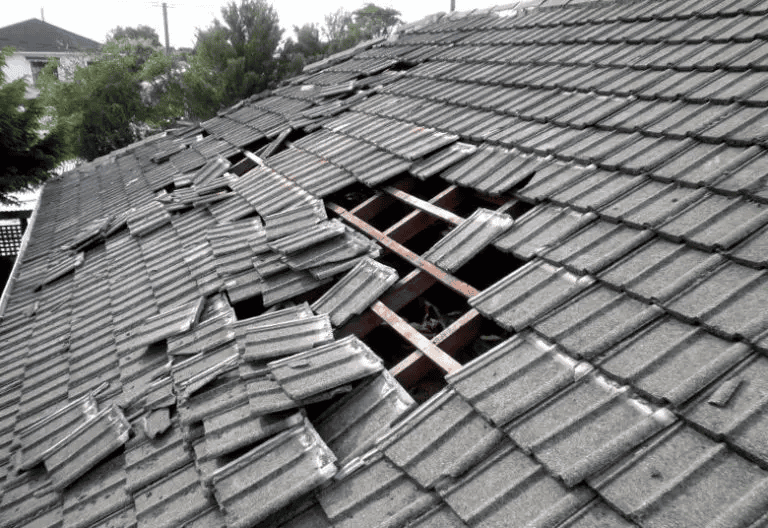
Post-Storm Roof Checklist Summary
When reviewing your facility after major weather events, follow this systematic approach:
- Inspect from the Ground First: Look for hanging gutters, missing metal fascia, or roof membrane material hanging over parapet walls.
- Check Interior Ceiling Spaces: Walk key interior corridors, mechanical rooms, and warehouse floors to identify fresh water drips or ceiling tile discoloration.
- Conduct a Controlled Roof Walkthrough: Safely inspect perimeter edges, flashings around HVAC curbs, field seams, and drain basins.
- Document Everything for Insurance: Take clear, high-resolution photographs of all identified signs of storm damage on a roof before clearing debris or performing emergency repairs.